

【英語學習角落】叻沙、荳蔻、咖哩角好美味 馬來西亞特色飲食文化交流 一起說英語、來品嘗
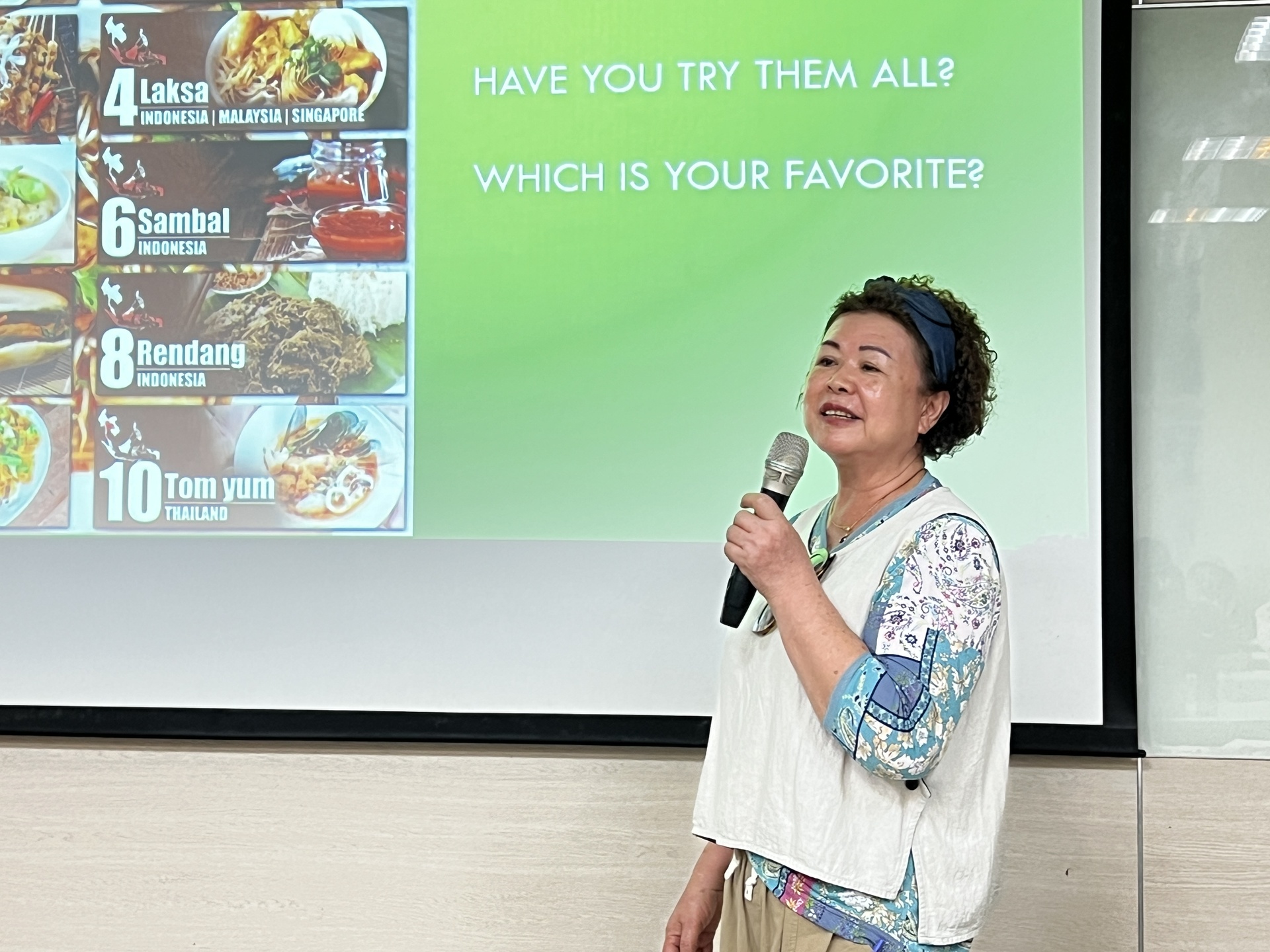
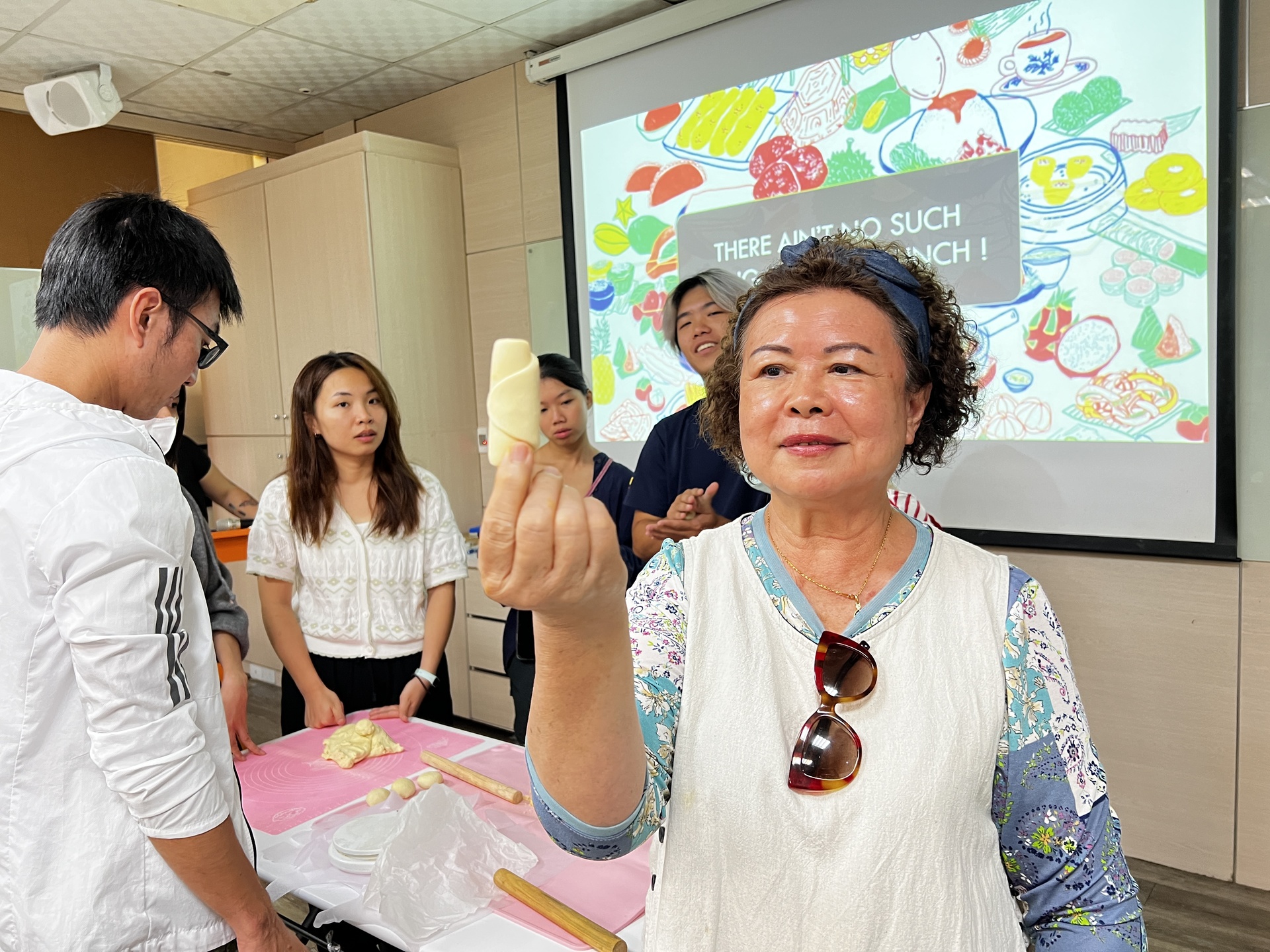
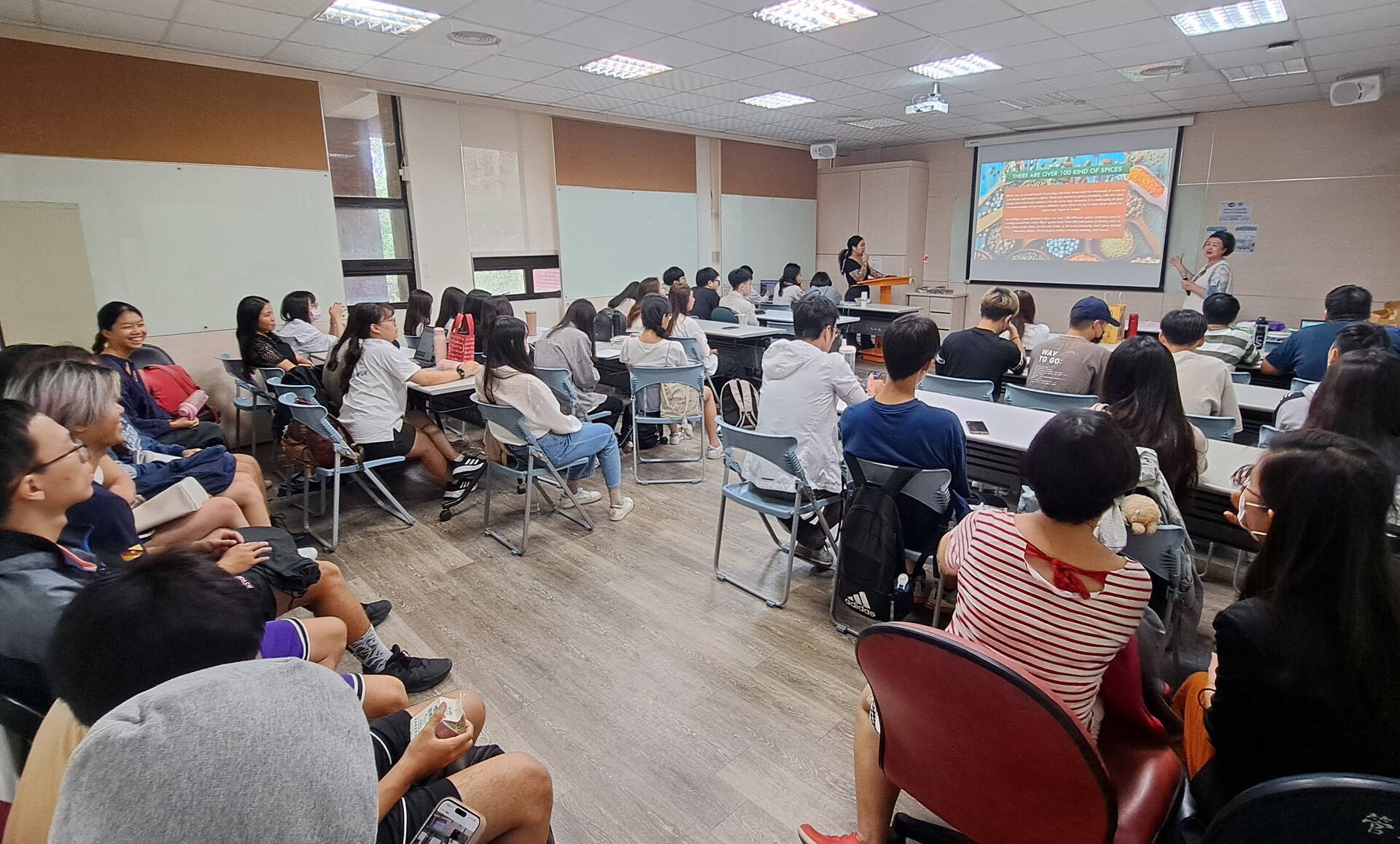
Sayang老闆娘解說東南亞許多國家的特色料理
說到馬來西亞餐點,大家會想到哪道佳餚?分得清楚越南、印尼、泰國、新加坡、馬來西亞等東南亞料理嗎?管院英語學習角落於 5 月 14 日辦理本學期第 5 場交流活動「馬來西亞特色飲食文化交流」,邀請到 Sayang東南亞創意料理老闆娘 Margaret Chew,帶領同學一同以英語探索馬來西亞特色飲食文化。老闆娘與女兒 Wendy 活潑又親切,以流利的英文開場問候,詢問大家對「馬來菜」有什麼樣的印象?
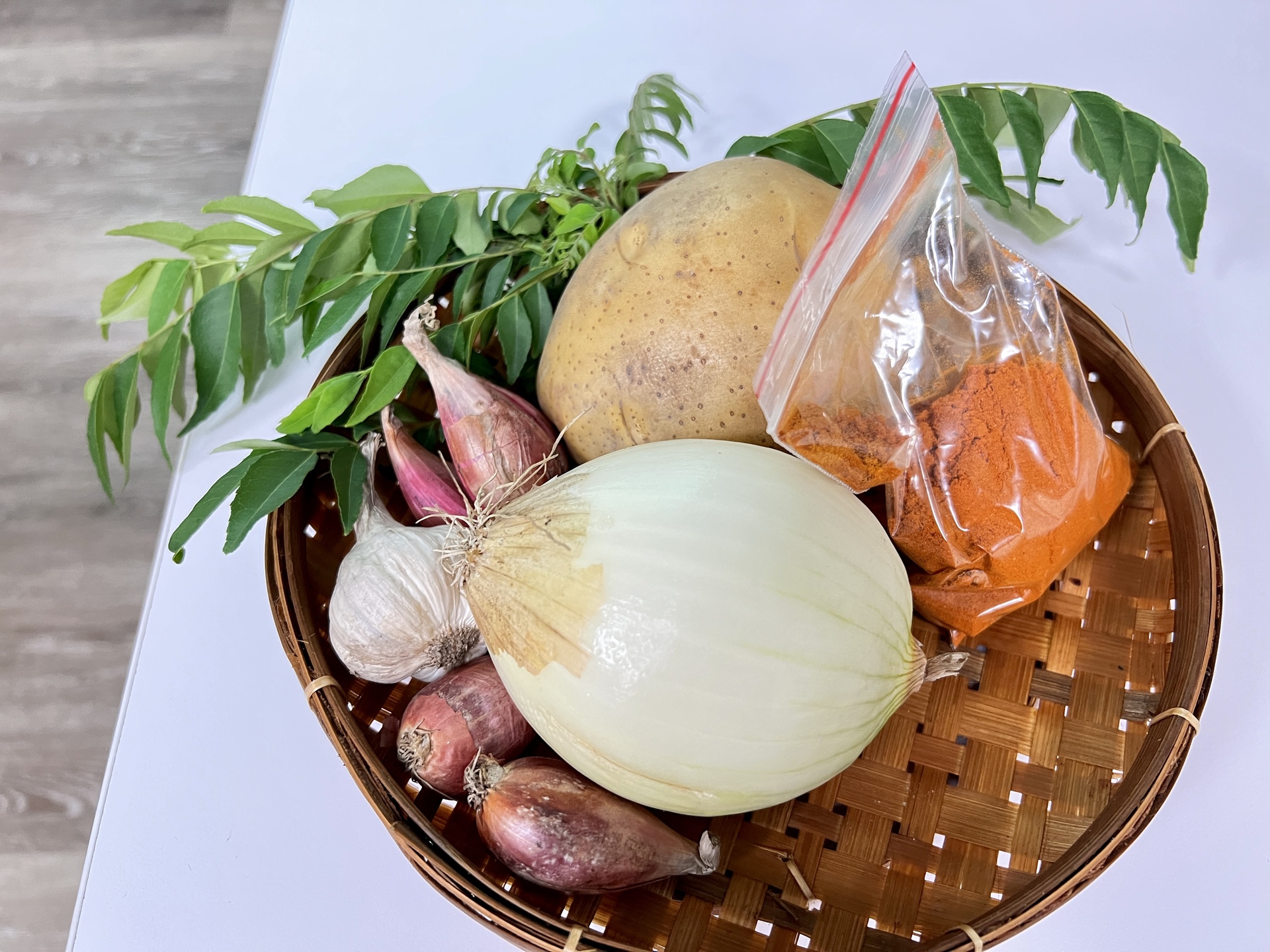
同學們反應熱烈,列舉諸如椰漿飯、肉骨茶、咖椰吐司等馬來西亞美食,如數家珍。因為許多人可能將各國的特色美食混淆,老闆娘便整合說明了東南亞多個國家的地道菜式,給同學們一個清楚的概念,例如「沙嗲」是源自於印尼、「叻沙」則是馬來西亞的代表菜式。馬來菜式還會使用上百種香料調味,如黃薑、豆蔻、胡椒等,味覺感知相當豐富。
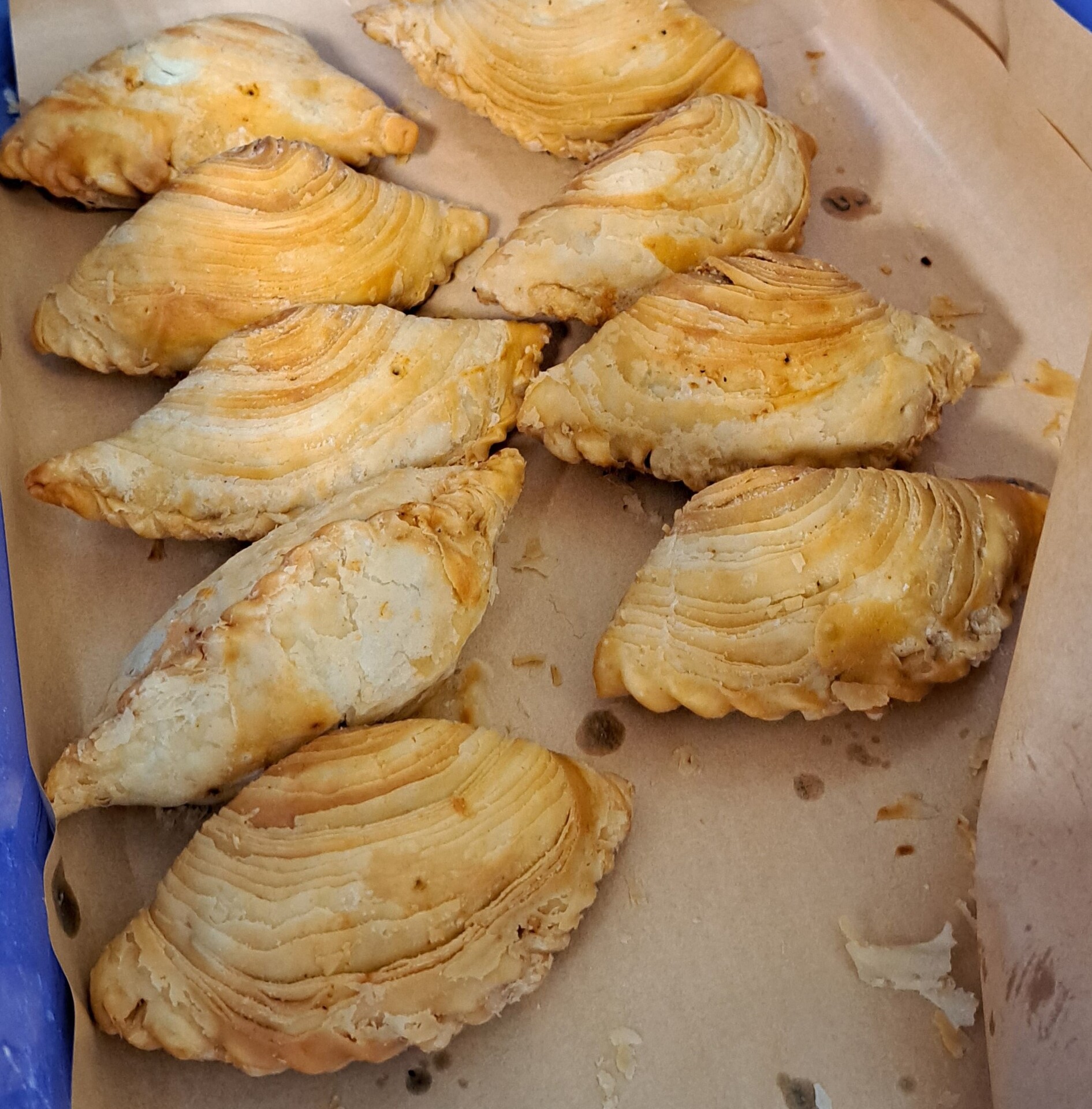
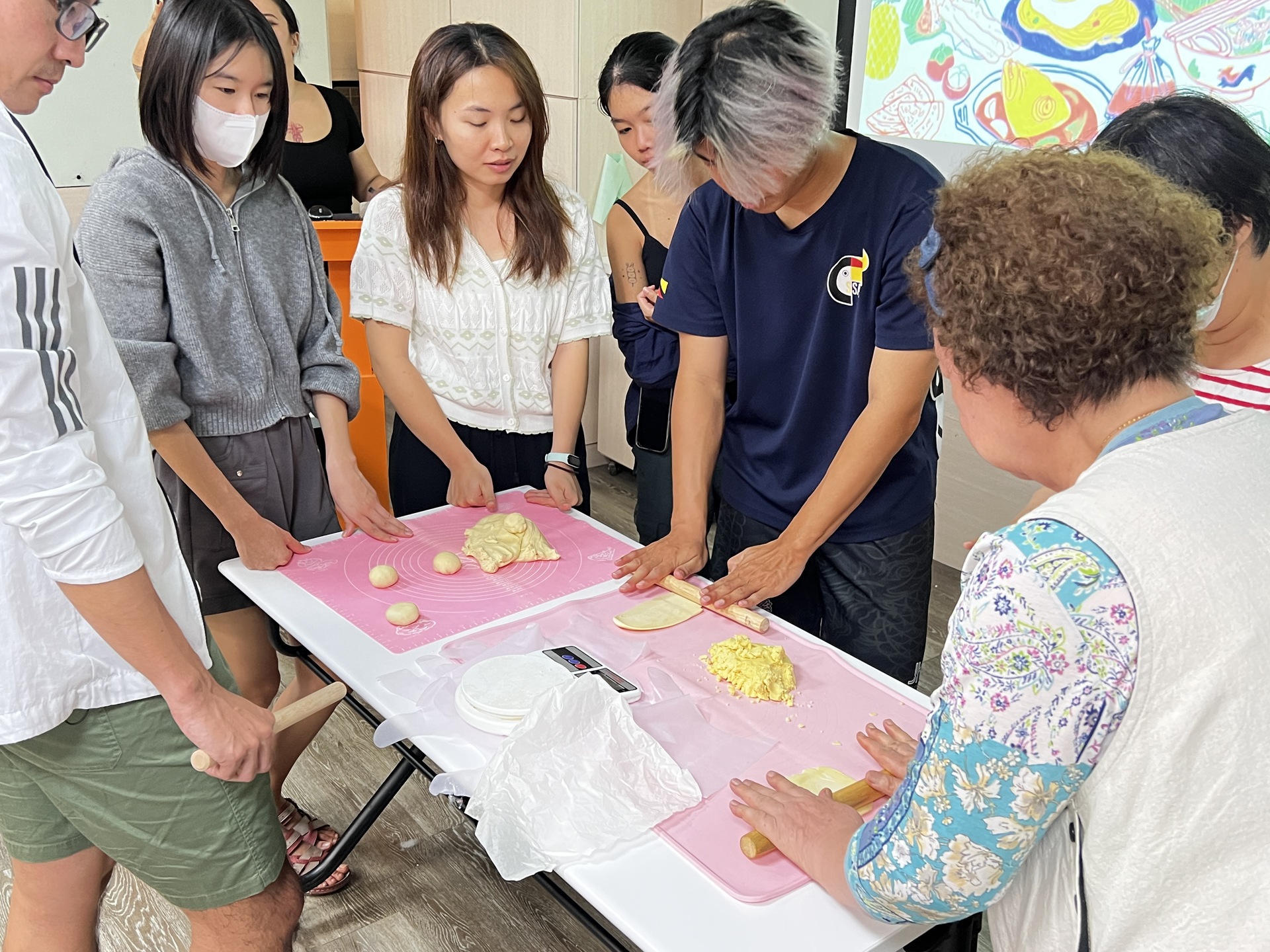
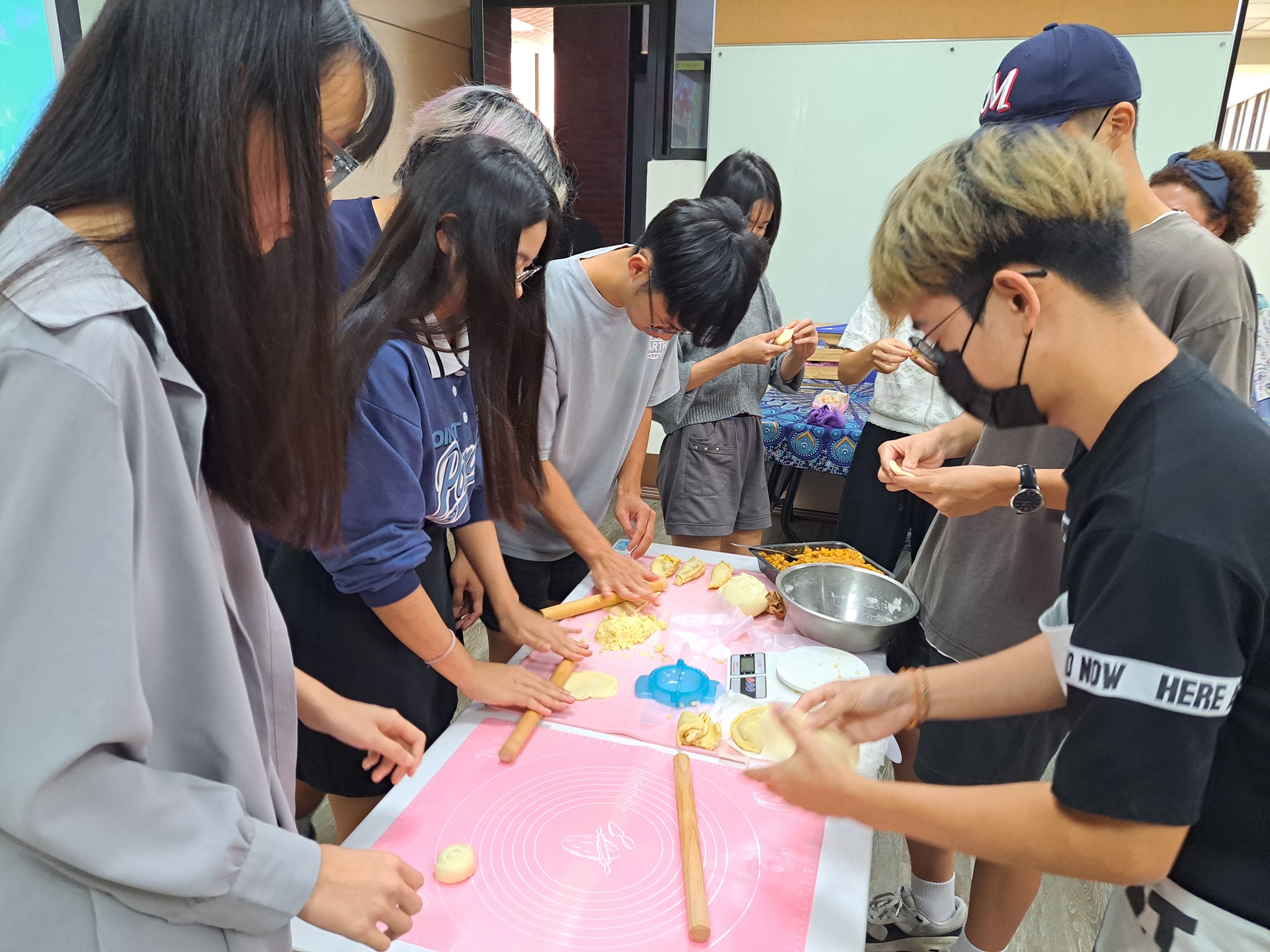
當日,老闆娘提前準備了有趣的食材,指導同學們動手製做馬來西亞小點──香料咖哩酥角。首先將事前準備好、揉入酥皮奶油的麵糰,以一般麵糰包裹,然後使用擀麵棍,反覆將其擀平、捲起、再擀平,直至麵糰與酥皮奶油融合,重疊成細緻的千層酥皮麵糰,才能進行下一步。要使酥皮膨脹的方向和層次漂亮,還需靠多年的經驗和手藝,將麵糰擀揉均勻才行。
花費不少功夫,將酥皮麵糰完成後,老闆娘指導同學們將麵糰再次擀平,放到模具中,放上咖哩酥角的香濃餡料,仔細包覆成餃子般的形狀,並在閉口黏著處摺出工整美麗的花樣。由酥皮的製作到內餡包裹、花邊翻摺,都需要全神貫注與精細巧手,才能做得精美。
同學們在過程中煞費苦心、熱烈交換經驗與意見,獲益匪淺,也讓氣氛變得無比歡快。最後,老闆娘大方讓同學帶回自己用心製作的咖哩酥角,同學們無不歡喜,期待後續品嚐自製的手工佳作。
經過這堂課程,同學們以英語探索了豐富的馬來西亞及東南亞飲食特色,了解了許許多多不常見的異國香料、特殊料理與國家文化。
在實作期間,除了學會製作酥皮和包製酥角的技巧,亦學到不少與食物相關的英語詞彙,受用無窮。所謂民以食為天,掌握更多飲食相關的詞彙後,同學更有機會在日常中與各國朋友打開話閘子,開心交流飲食文化。
| 英語小補丁 | |
| 酥皮 | Puff - pastry |
| 香料 | Spices |
| 椰漿飯 | Nasi Lemak |
| 沙嗲 | Sate |
| 叻沙 | Laksha |
(社會系徐考澧撰稿/管院媒體編修﹚
--------------------------------------------------------------------
【Management College Presents: Malaysian Specialty Food Culture – English Corner】
The English Corner of the College of Management organized its fifth event of the semester on May 14th — Malaysian Specialty Food Culture. This session was hosted by the owner of Sayang Southeast Asian Creative Cuisine, to lead students in discussing Malaysian specialty food culture in English. The owner first asked everyone about their impressions of Malaysian cuisine, and students enthusiastically mentioned dishes like nasi lemak, bak kut teh, and kaya toast as Malaysian specialties. The owner integrated dishes from multiple Southeast Asian countries, noting that many people confuse the specialties of different countries, for example, satay originating from Indonesia; while also introducing how Malaysian dishes use a variety of spices, such as turmeric, cardamom, and pepper.
The owner prepared some ingredients to teach students how to make a Malaysian dish - Spiced Curry Puff. Firstly, the prepared butter dough was wrapped with flour dough, then repeatedly flattened, rolled into a roll, and flattened again until the flour and butter dough were folded into puff pastry. To achieve beautiful layers and texture, it relies on experience and skill to evenly fold the dough. After that, flatten the pastry and place it in a mold, wrap it with curry puff filling, and then fold the closure neatly by hand. Delicate hands are required to make it exquisite, and students benefited greatly from the process.
Through this class, students explored Malaysian and Southeast Asian culinary characteristics in English. In addition to learning techniques for making pastry, they also mastered English vocabulary related to food, such as "puff pastry," "spices," and "Nasi Lemak." Food is the epitome of culture, mastering more food-related vocabulary will further help students communicate with friends from various countries.
(Written by. Alex Tsui, The Department of Sociology / Proofread by the Media of the College of Management)
【英語學習角落系列講座介紹】
💡 演講內容以英文進行
💡 於活動結束時發放「英語實踐歷程檔案計畫」點數證書
💡想了解更多講座資訊,歡迎來信詢問-管院英語學習角落專用信箱: engc@cm.nsysu.edu.tw