
[EMBA] Touring two major international cities in the United States to experience the global political, economic, and cultural charm and influence. "It was a truly wonderful memory."
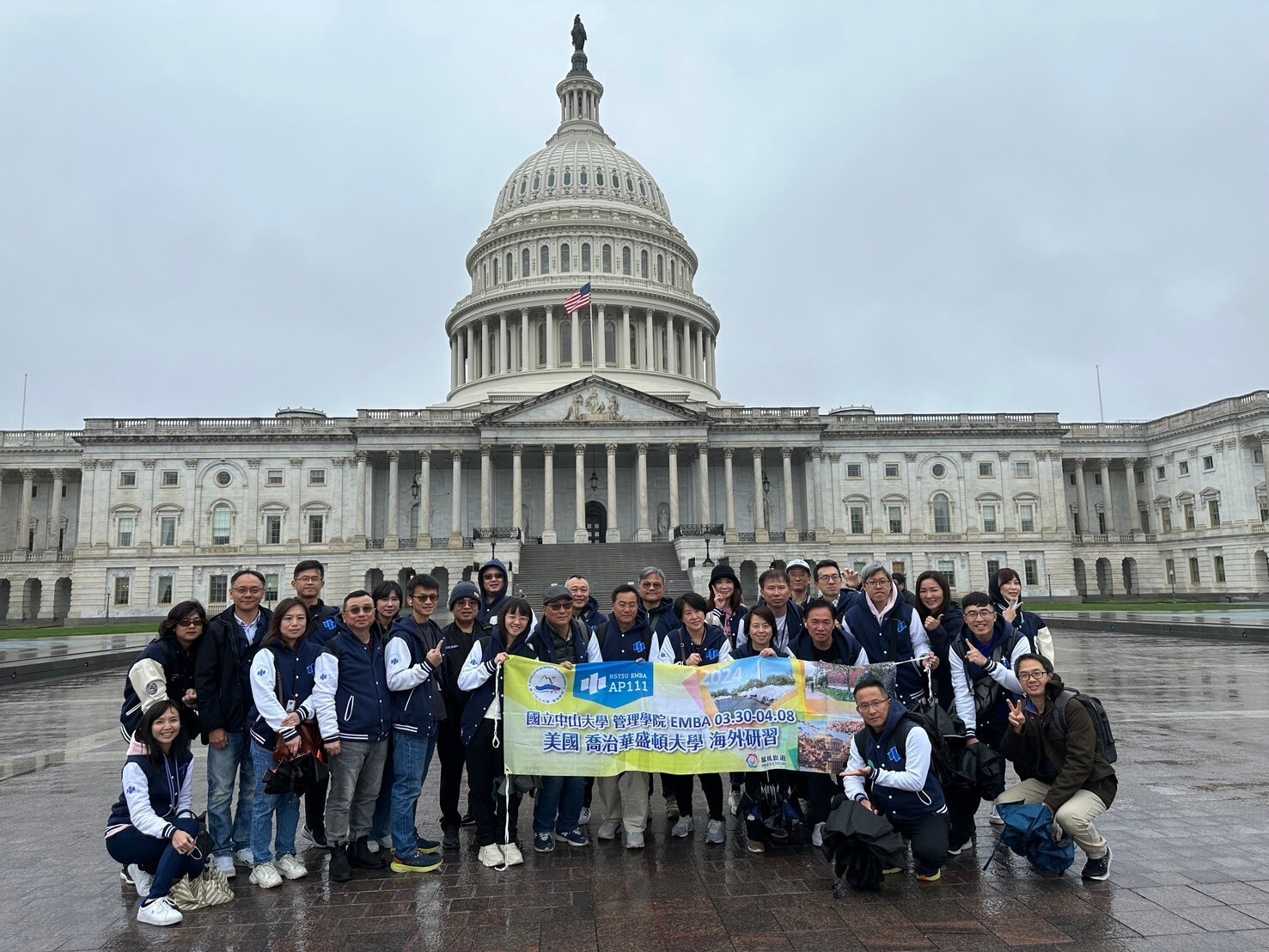
New York and Washington D.C, two major international cities in the United States, hold significant sway in international affairs, politics, culture, entertainment, history, and economics. Each city showcases unique charm and influence in its own right.
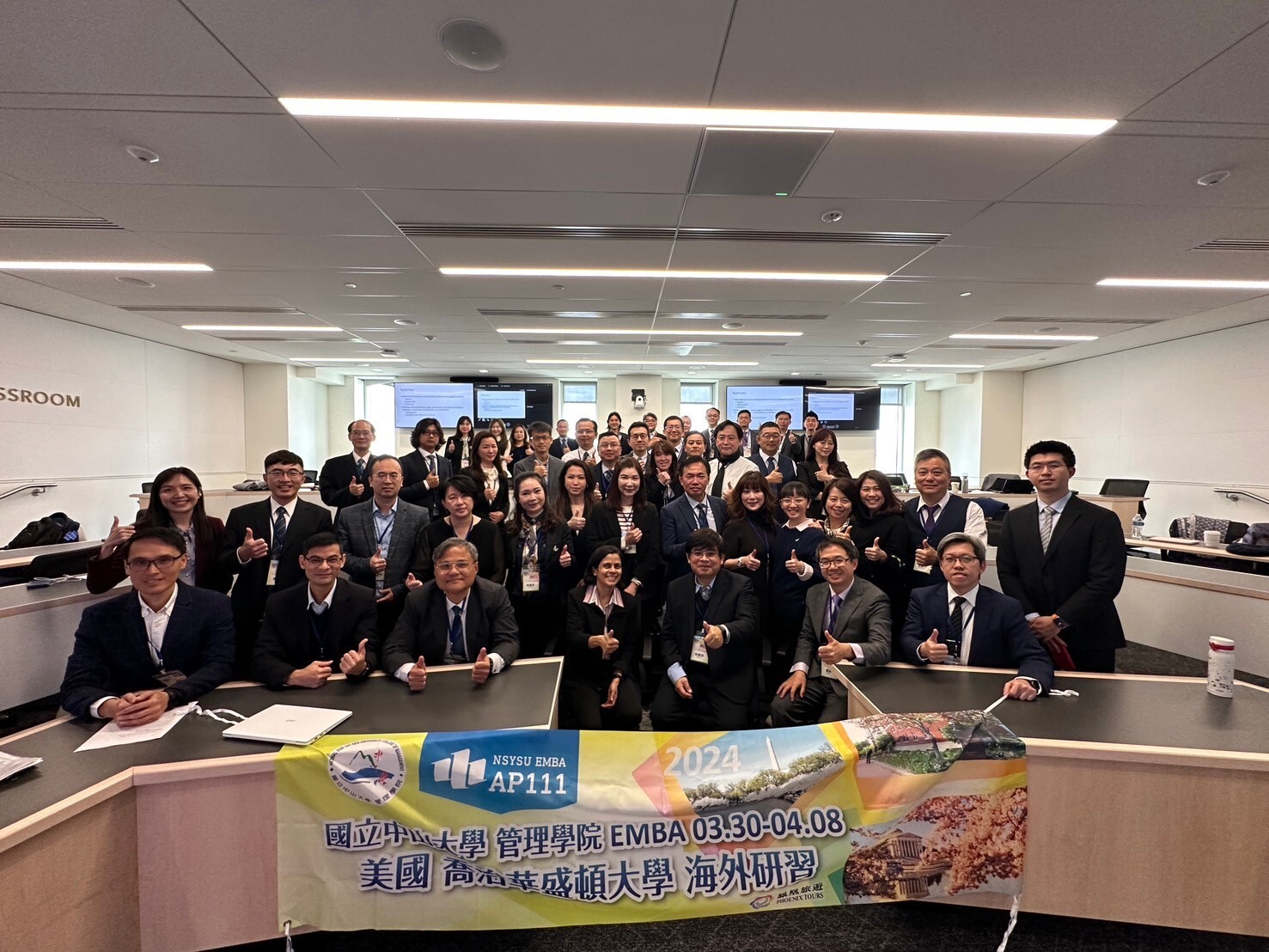
The current overseas visit of the EMBA program from the College of Management, Sun Yat-sen University, includes visits to New York, commonly known as the Big Apple, and the U.S. capital, Washington, D.C. Leading the delegation are Executive Director of EMBA, Hao-Jie Lin, along with Director of APEMBA Program, Zha-Wen Wang, and Director of CSEMBA Program, Yi Lu. They are accompanied by the AP111 class.
The EMBA program at the Sun Yat-sen University College of Management actively expands international exchange opportunities. Each year, through overseas study tours and off-campus teaching methods, it aligns with top business schools worldwide. The program facilitates exchanges with local leading enterprises and experts to cultivate senior management talents with a global perspective.
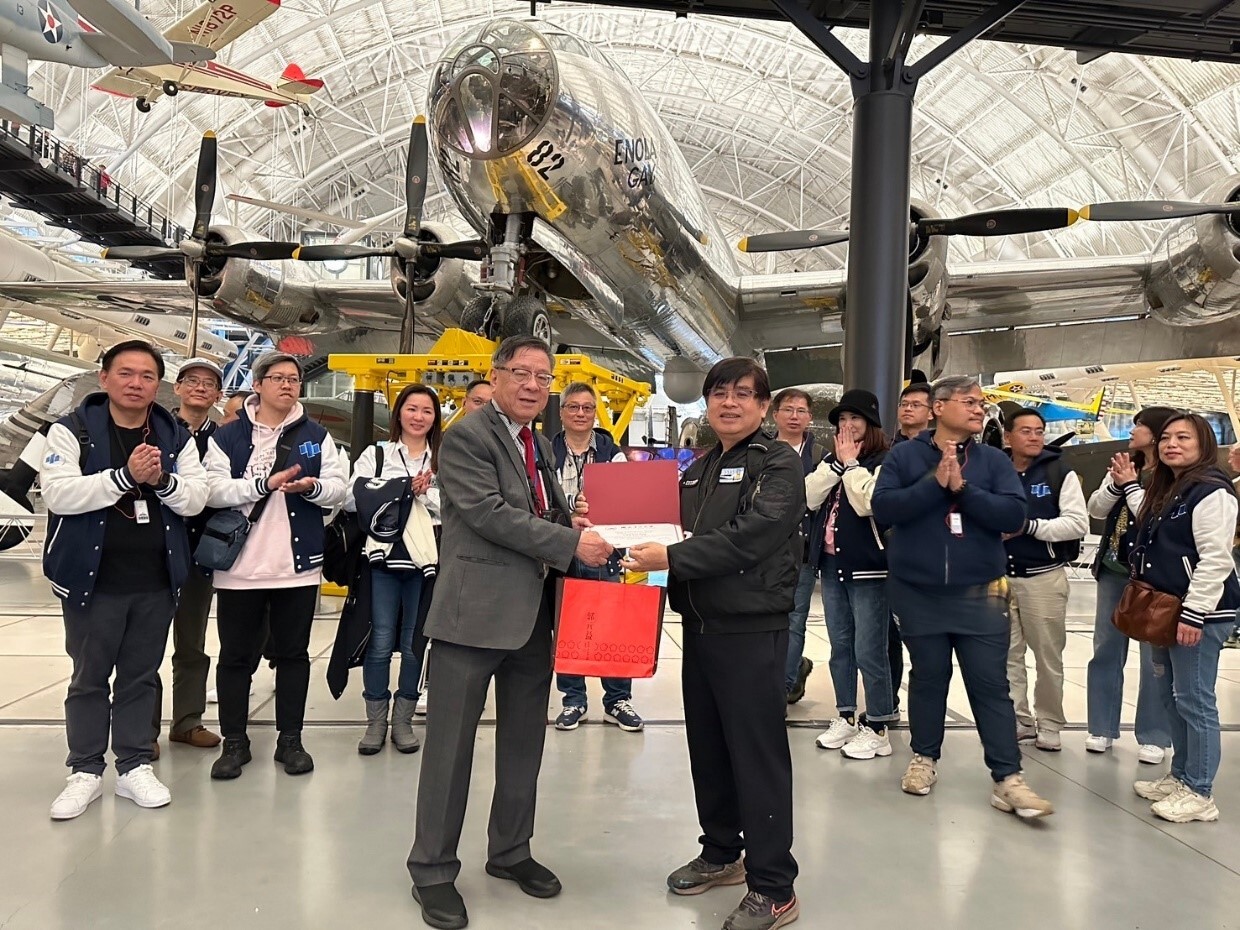
At the National Air and Space Museum in the United States, Dr. Fu-Quan Wang, a Taiwanese national, was specially invited to provide a Mandarin guided tour. This allowed the participants to gain a profound understanding of the American aerospace industry and witness the impressive retired space shuttles on display.
GWU is situated in a strategically advantageous location
The institution from the College of Management, Sun Yat-sen University, visiting for exchange, is George Washington University (GWU), commonly known as GW or GWU. It is a renowned private comprehensive university in the United States, ranked 70th in the latest 2020 US News ranking of American universities.
George Washington University was founded on the vision of America’s first President, George Washington, to establish an authoritative national university. It has evolved into a globally renowned comprehensive research university, promoting interdisciplinary knowledge integration across its nine colleges and 100 research centers. The university has fostered students who have made outstanding contributions in politics, diplomacy, law, and business sectors both in the United States and globally.
During this visit to George Washington University, two professors were arranged to share their expertise. One of them, Professor Anu Phene, is an international business professor at the George Washington University School of Business (GWSB). She previously worked in the finance department of American Express Bank. Her research focuses on strategies for fostering innovation and achieving knowledge transfer. She has published papers in several prestigious journals including the Administrative Science Quarterly and the Journal of International Business Studies. She has also served on the editorial boards of many authoritative journals, such as Deputy Editor of the Global Strategy Journal, and has received numerous reviewing awards from organizations like the Academy of Management and the Academy of International Business (AIB).
Another professor, Dr. Danny Leipziger, is widely recognized as the former Vice President of the World Bank and currently serves as the Managing Director of Growth Dialogue under GWSB. He oversees the publication of books, working papers, and policy briefs on current topics such as disruptive technologies, capitalism and inequality, and urban and infrastructure issues. Dr. Leipziger also provides policy advice to numerous countries worldwide, including recent engagements in South Korea, Argentina, Côte d'Ivoire, and Uzbekistan.
He has advised three World Bank Presidents and represented the World Bank at major international conferences including the G20 meetings. He has also served as Vice Chair of the Spence Commission on Growth and Development. At the George Washington University School of Business (GWSB), he pioneered new courses covering topics such as financial crises. He provides commentary and analysis for publications like the Financial Times, The Economist, and The World Paper, and has appeared on television networks such as CCTV, BBC, CNN, and Bloomberg TV.
In our EMBA program, we have been enriched by the insights of two influential professors. The course content revolves around understanding how the West views the US-China trade war and its impacts, Taiwan Semiconductor Manufacturing Company's (TSMC) global semiconductor strategy, US-China-Taiwan relations and their implications for Taiwan, expectations regarding US interest rate cuts and the global economy in 2024, and perspectives on global geopolitical risks (such as Ukraine-Russia relations, Israel-Palestine, the Taiwan Strait, South China Sea, etc.).
Touring the World Bank and International Finance Corporation
To understand the operations of globally significant development aid institutions.
This EMBA visit includes the World Bank and its subsidiary, the International Finance Corporation (IFC). The World Bank, established in 1944, is one of the largest international development institutions globally and a key provider of development assistance. It primarily offers loans and technical assistance, which play a crucial role in the economic and social development of many developing countries. Additionally, the World Bank influences global economics and policies through its reports and recommendations.
The organizational structure of the World Bank includes five institutions: the International Bank for Reconstruction and Development (IBRD), the International Development Association (IDA), the International Finance Corporation (IFC), the Multilateral Investment Guarantee Agency (MIGA), and the International Centre for Settlement of Investment Disputes (ICSID).
However, during this visit, the participants also gained a deep understanding of criticisms leveled against the World Bank. These criticisms primarily include: Strict Loan Conditions: The World Bank's loan conditions are often perceived as stringent, making it difficult for some impoverished countries to meet the requirements. Political Influence: Loans and technical assistance provided by the World Bank are not always perceived as entirely impartial and can be influenced by political factors. Negative Impact on Environment and Society: Some World Bank projects have been criticized for their adverse effects on local environments and societies.
The World Bank acknowledges these issues and is actively taking measures to address them and improve its operations.
The International Finance Corporation (IFC) is the private sector arm of the World Bank Group. It is dedicated to promoting the development of private enterprises by providing investment, advisory, and asset management services. Through mobilizing financial resources for private businesses, facilitating market access and competition, and supporting entities in the private sector, the IFC aims to create opportunities for people to escape poverty, achieve better living standards, create employment opportunities, and provide necessary services to vulnerable groups.
The IFC's shareholders are member country governments, who provide paid-in capital and have voting rights on its affairs. Initially integrated financially with the World Bank Group, the IFC later became a separate entity and eventually gained autonomy to operate as a financially independent entity, making independent investment decisions.
The International Finance Corporation (IFC) has also faced criticism from non-governmental organizations (NGOs), particularly regarding its use of financial intermediaries which make it difficult to track funds. For example, a report titled "Others' Pain" released by Oxfam and other NGOs in 2015 found that the IFC did not conduct sufficient due diligence and risk management in many of its investments in third-party lending institutions.
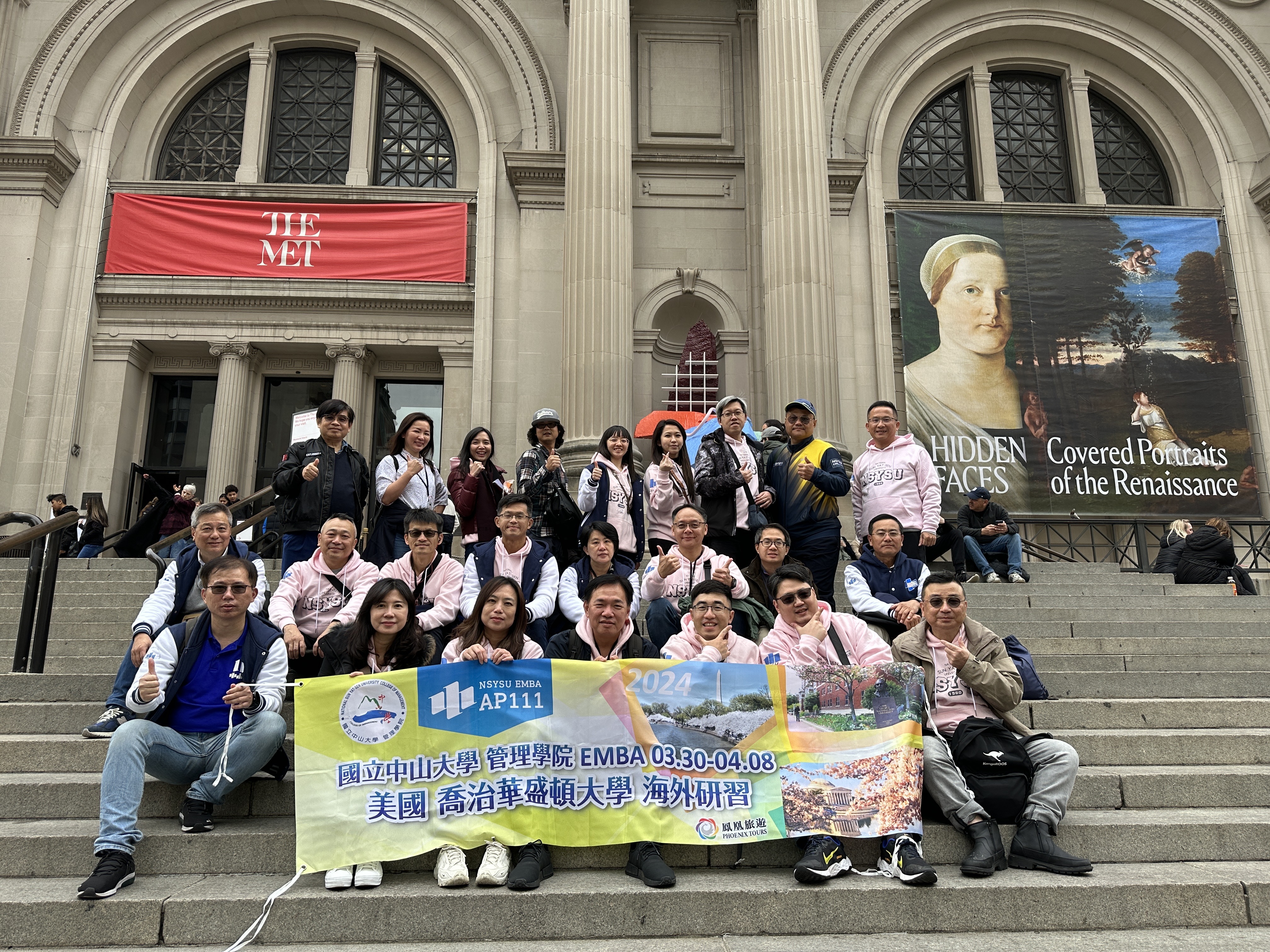
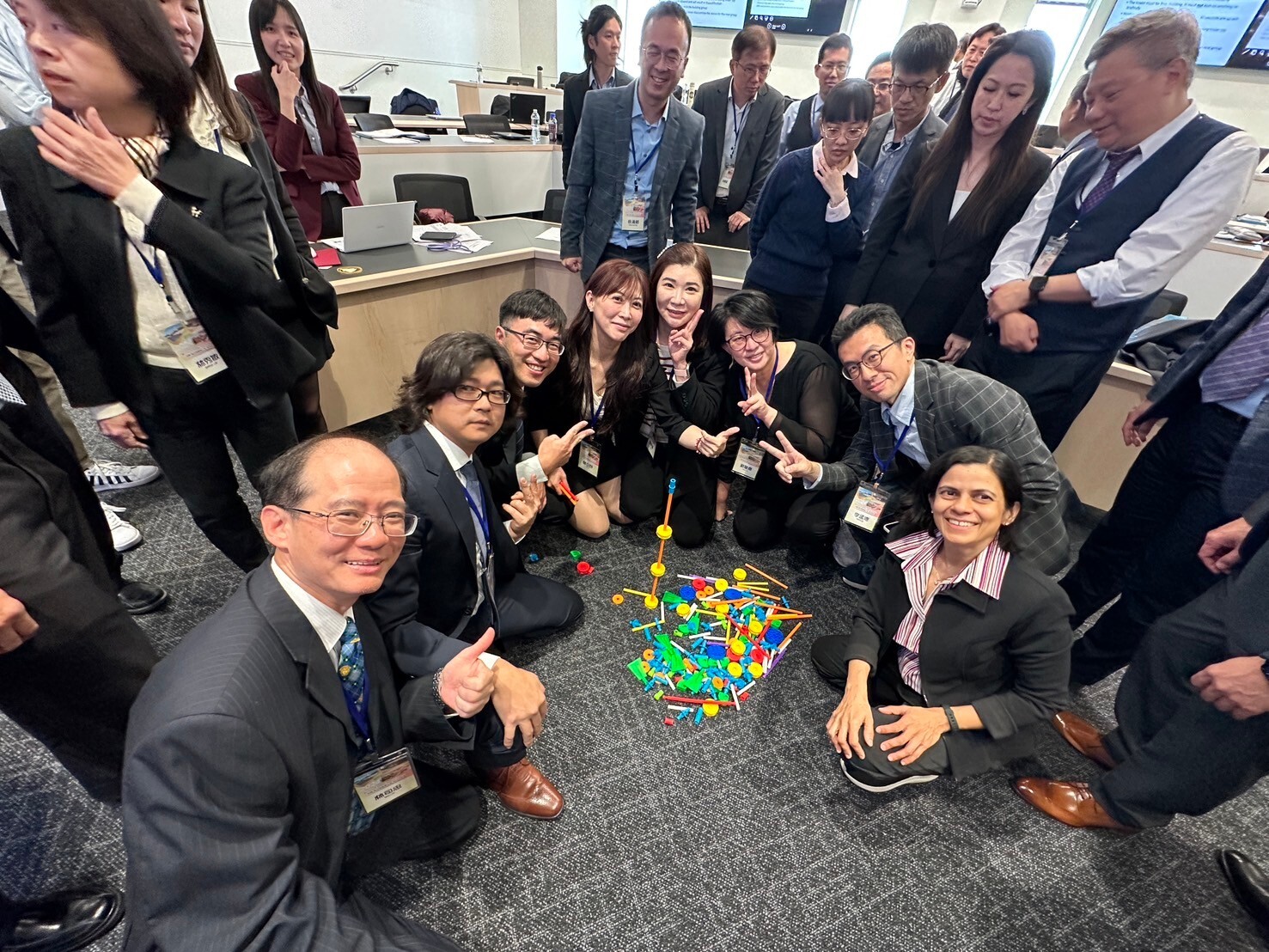
Regarding the recent tour of New York City and the U.S. capital for the AP111 class, who are nearing graduation, the trip was akin to a graduation journey for everyone. The students enjoyed visiting each landmark together, and one student mentioned feeling very happy and warm being with classmates outside of academic settings, calling it a "wonderful memory." This trip has significantly strengthened the relationships within the class and heightened emotional bonds among the students.
(Provided by EMBA Office)